Blog

  • Best Time to Go on Self Drive in Africa

    Self-driving safaris in Africa offer one of the most exciting and flexible ways to explore the continent’s incredible wildlife and landscapes. However, the success of your adventure greatly depends on choosing the right time of year to travel. Africa’s climate varies widely across regions, from the open savannahs of East Africa to the deserts of Southern Africa. The best time for a self-drive in Africa usually aligns with the dry season, when roads are easier to navigate, and animals gather around water sources, making them easier to spot. Each country such as Kenya, Tanzania, Namibia, Botswana, South Africa, and Uganda has its own ideal safari months depending on rainfall patterns and migration seasons. Planning your trip around these conditions ensures better wildlife viewing, safer driving, and more comfortable weather. Understanding Africa’s seasonal rhythms is key to making the most of your self-drive safari experience.

    January: January is part of the wet season in East Africa, including Kenya and Tanzania. Heavy rains often fall, especially in northern Tanzania and the Serengeti. Roads can be muddy and difficult to drive, so a strong 4×4 is essential. Despite this, January is excellent for seeing newborn animals because many species give birth during this time. Predators such as lions often hunt more actively as they feed on the young. The green landscapes make photography stunning, with lush grass and flowing rivers. Birdwatchers love this month because migratory birds have returned, and wetlands are full of life. In Southern Africa, January is mid-summer, hot and sometimes rainy in Botswana, Zambia, and South Africa. Wildlife spreads out because water is plentiful, making animals harder to spot. Overall, January is great for nature photography and baby animals, but road challenges mean only prepared self-drivers should visit.

    February: February is similar to January, with heavy rains in East Africa, especially in Serengeti and Masai Mara’s northern areas. The roads are often slippery, but wildlife is still visible near rivers and hills. This is an excellent time for seeing young animals such as wildebeest calves in Tanzania’s southern Serengeti. Fewer tourists visit during this month, so lodges are quieter, and parks feel peaceful. In Southern Africa, February is hot and rainy, with rivers full and waterfalls spectacular in Zimbabwe and Zambia. Some roads in Botswana may be challenging to navigate. Temperatures can be high, so early morning and late afternoon game drives are recommended. Overall, February is a quieter month, good for photographers and travellers who don’t mind the rain.

    March: March marks the peak of the wet season in East Africa, especially in Kenya and northern Tanzania. Many parks have muddy roads, and some areas may be inaccessible. However, the landscapes are breathtakingly green, rivers are full, and waterfalls are spectacular. This is a good month to see migratory birds and other wildlife that thrive in wet conditions. Predators may be harder to spot because prey animals are dispersed. In Southern Africa, March is still warm and wet, with occasional storms in South Africa, Botswana, and Namibia. Game viewing can be more difficult, but scenery and birdlife are at their peak. Travelers who enjoy nature photography, lush landscapes, and fewer crowds will find March very rewarding.

    April: April is usually the wettest month in East Africa. Roads can be extremely muddy, making self-driving a challenge. Some national parks like Serengeti and Tsavo may have certain areas closed due to flooding. Wildlife spreads out and is harder to see because water and grass are abundant. However, for photographers, April offers stunning green landscapes, waterfalls, and dramatic skies. In Southern Africa, April marks the start of the dry season in some areas, especially in Botswana and Namibia, while South Africa still experiences occasional rain. Wildlife begins to concentrate around waterholes, and birdlife is abundant. Overall, April is a month for adventurous self-drivers who enjoy photography and fewer crowds but need to prepare for wet roads.

    May: May is a transition month in East Africa, moving from wet to dry season. Roads in Kenya and Tanzania start improving, and wildlife becomes easier to see. Animals begin gathering near rivers and water sources, making spotting easier than during peak rains. The landscape is still green, and baby animals are visible in some areas. In Southern Africa, May is dry season in Botswana, Namibia, and South Africa, making it an excellent month for self-driving safaris. Temperatures are cooler, and wildlife concentrates around remaining water sources. May is ideal for travellers who want a balance between green landscapes, good wildlife viewing, and manageable roads.

    June: June marks the start of the dry season in East Africa. In Kenya and northern Tanzania, this is one of the best months for self-driving safaris. Roads are dry and safe, wildlife gathers at rivers and lakes, and temperatures are cooler than in summer. This is also the beginning of the peak season for the Great Migration in Kenya’s Masai Mara, when wildebeest, zebras, and gazelles move from Tanzania in search of fresh grass. In Southern Africa, June is the dry winter, ideal for safaris in Kruger National Park, Botswana, and Namibia. Animals are easier to spot because they gather at waterholes, and skies are clear for photography. June is one of the most comfortable months for self-driving across much of Africa.

    July: July is one of the best months for self-driving safaris in Africa. In East Africa, it is dry, and wildlife is very easy to see. The Great Migration in Masai Mara reaches its peak, with river crossings providing thrilling views. Roads are dry and accessible, making self-driving comfortable. In Southern Africa, July is winter, cool and dry, perfect for spotting elephants, lions, and other wildlife. Many tourists visit during this time, so accommodations may be busier. Wildlife concentrates around water sources, making spotting easier. July is ideal for families, photographers, and wildlife enthusiasts who want the best chances of seeing predators and large herds.

    August: August remains dry in East Africa, with excellent wildlife viewing. Masai Mara is still full of migration animals, and northern Tanzania begins seeing animals return from Kenya. Roads are good for self-driving, and temperatures are comfortable. In Southern Africa, August is dry and cool, making it perfect for exploring Namibia, Botswana, and South Africa. Wildlife is concentrated, and waterholes provide excellent photography opportunities. This month is ideal for travellers who want to combine East and Southern Africa safaris, although park fees and lodges may be higher due to peak season.

    September: September is still dry in East Africa, but temperatures begin to rise slightly. Wildlife viewing remains excellent, and roads are in good condition. Migration animals in Tanzania start moving back into the Serengeti from Kenya. The landscape begins to dry out, but rivers still hold water. In Southern Africa, September is the end of the dry season, and temperatures start rising slightly, especially in Botswana and Namibia. Wildlife is still easy to spot, and dust in the air can add dramatic effect to photographs. September is ideal for self-driving travellers who want good weather, fewer crowds than peak July-August, and excellent wildlife spotting.

    October: October is the end of the dry season in East Africa. Temperatures rise, and wildlife remains concentrated around rivers and waterholes. Migration herds in Tanzania continue moving south through Serengeti. Roads are dry, but dust can make driving slightly uncomfortable. In Southern Africa, October is the beginning of the rainy season in some regions like Zambia and Zimbabwe, but Namibia and Botswana remain good for self-driving safaris. Wildlife is visible, and bird watching becomes more rewarding as migratory birds arrive. October is a good month for those who enjoy hot weather and active wildlife, but self-drivers need to be prepared for occasional rain in some regions.

    November: November marks the start of the wet season in East Africa. Some parks in Kenya and Tanzania may become difficult to access due to muddy roads. Wildlife spreads out as water becomes more abundant, making spotting harder. However, November has beautiful green landscapes, waterfalls, and fewer tourists. This is a great time to see baby animals, and birdwatchers can see migratory species arriving. In Southern Africa, November is a great month for Botswana, Namibia, and South Africa. Roads remain mostly dry at the beginning of the month, and wildlife is still visible before the peak rains. November is ideal for travellers who enjoy nature photography and want to avoid crowds.

    December: December is mid-rainy season in East Africa. Roads may be muddy and challenging, especially in northern Tanzania. Wildlife is more spread out, and spotting predators can be difficult. However, the scenery is beautiful, rivers and waterfalls are full, and many animals are giving birth. In Southern Africa, December is the start of summer, hot and sometimes rainy. Parks like Kruger in South Africa remain accessible, and wildlife is still visible near waterholes. December is quieter than peak dry months but offers excellent opportunities for photographers, birdwatchers, and those seeking lush landscapes.

    Conclusion

    Choosing the best time for a self-driving safari in Africa depends on the regions and experiences you seek. Generally, the dry season offers the most rewarding game viewing and smoother driving conditions, while the wet season brings lush landscapes and fewer crowds. Each country has unique highlights from the Great Migration in East Africa to Namibia’s dramatic deserts and Botswana’s wildlife-rich deltas. By planning around seasonal changes, you can enjoy Africa’s beauty safely and comfortably. Whether you prefer adventure or Stillness, timing your safari well ensures an unforgettable self-drive journey across this diverse continent.
  • Top Places to Enjoy Big Cats Safari in Africa

    Fan of big cats? Those elusive beasts which are lightning fast, they crouch low and soundlessly follow their prey until the hunt is done, exciting to say the least. One would love to have a close-up encounter with them in a safe environment. Listen to their resounding roars. Watch them closely enough so you can take some great pictures back home to your family and friends. If such are your pursuits, then a big cats safari adventure in Africa is just for you.

    Since these are wild cats we are talking about here, you need to take all the necessary precautions and all the advice you can get. This is why it’s deemed best if you get the services of a professional safari tour operator such as Naturetrek, they’ll help take you to the perfect spots to capture great pictures of these wild beasts in action. So, if you are planning to go on a big cat safari this year, here are a few destinations you should be considering..

    • The necessary preparations

    Simply declaring that you are going on a safari and buying the tickets to Africa won’t do you any good. You need to make all the necessary preparations beforehand. From buying safari gear online to making all the reservations at the right places.

    What you’re signing up for includes an intoxicating setting of dramatic landscapes that are roamed freely by the big cats. These grand plains of the African countries have attracted numerous travelers and wildlife-lovers for decades so the wild beasts here are well accustomed to humans. So, when you plan to go on a safari, you get confronted by a multitude of options that you have to sift through. Fortunately for your convenience we have done the hard work for you and made a list of the best places you need to visit. So, without further ado, let’s get right into them.

    •  Big Cats in Masai Mara, Kenya

    In case you’re hoping to see the absolute best that an African safari can offer, there aren’t many parks that can flaunt the amazing feral beasts in their natural habitat that matches the Masai Mara.

    In July, August and September this natural reserve gives the setting to enjoy Great Migration. Here you get to see over 1,000,000 wildebeest and zebra herds running through crocodile domains around the Mara River to arrive at the crisp undulating meadows of the savannah. There are bountiful fields here that are clamoring with huge populations of hunting opportunities that attract huge prides of lion, panther and cheetah all year. This makes the Masai Mara National Reserve a universally eminent spot for excellent game survey and very close sightings of the savage enormous felines.

    There are numerous chances to see Big Cats in Kenya. Here you can continue in the strides of Jonathon Scott, as he introduced the darling BBC Big Cat Diary arrangement following the lives of the Marsh Pride lion family over the Mara, from his base at Governors’ Camp – an extravagance rose convenience we use today.

    •  Big Cats in Serengeti, Tanzania

    The green savannah of the Masai Mara broadens further south into Tanzania shaping the huge open Serengeti National Park and here, the wild beasts, completely oblivious to borders of countries, roam freely towards their migratory destinations in tremendous crowds. Among them also prowl the moving hunters (the wild cats) grabbing their chances to hunt their favorite prey. It’s a sight to behold and this is precisely what you are going to get if you travel to Serengeti in Tanzania for a big cat safari.

    Tanzania’s streams are filled with hippos and crocodiles yet the genuine stars of the Serengeti are found in the denser bramble and Acacia that length the focal districts of the recreation center. Here, lion and cheetah are consistently spotted on safari journeys and game drives, yet Tanzania is celebrated for another of its catlike occupants. The mysterious ways of the panthers make them trickier to notice, yet the focal Serengeti and the Seronera River Valley brag about the best panther sightings in Africa.

    So, if it’s the panthers you are looking for then Tanzania has it all for you. If you like hunting, you can also get a hunting permit, but you will need to have all the guns and guidance about it. It is best that you go with the experienced hunters if you are not seasoned in this sport. There are also the local guides who can help you a lot in this regard. Safari adventure in Africa is full of surprises and you occasionally get to sink your teeth in rare delicacies if you are with the right crowd. So, if you are embarking on such an adventure, make sure to surround yourself with the right people. You will have fun for sure.

    •  Big Cats in South Luangwa, Zambia

    The eastern outskirts of the South Luangwa National Park is avoided by the perpetually wandering, ambivalent way of the Luangwa River, a significant feeder of the omnipotent Zambezi River. In the blustery season the waterway blasts its banks, flooding the natural reserve and transforming the dry shrubs into stretches of rich green vegetation. It’s a great sight to behold and among this green you will find the cats you are looking for.

    The existence of the waterway attracts the bigger wild beasts. You will get to see groups of bison and elephant walk the fields among pronghorn. The winding stream and oxbow lakes are home to the valley’s crocodile populaces so if you are interested in watching some crocodiles hunting for their prey, you know where to go. For those hoping to spot the big cats, any jeep safari can get you regular encounters with lions and panthers on normal drives. The local guides are experienced in following big cats and will easily get you to all the right places where you can see those lovely animals in action. These sights are simply an allure for the voyagers and gets them to flock to the recreation center’s shrub lands and enjoy it’s strolling safaris.

    •  Big Cats in Lower Zambezi, Zambia

    Zambia’s biggest and most intense character isn’t one found wandering on four legs through the African scenes.

    The Zambezi River roars over the Victoria Falls, crisscrosses through the Batoka Gorge, streams into Lake Kariba and afterward proceeds with all the more steadily eastwards through the Lower Zambezi Valley. Its course is flanked by particularly delightful public parks crossing distant floodplains, broadleaf forest and thick woods, supporting pronghorn, hippo, crocodiles and huge elephant groups.

    The quiet channels of the Lower Zambezi empowers waterway, boat and kayak safaris to take you near untamed life and the recreation center permits kayaking and fishing exercises to change up your vacation. The moderately immaculate nature of the recreation center is perhaps the biggest resource. A portion of the African big cats you can see here are prides of lions and panthers. These stay plentiful and are regularly spotted easily. You can see these big cats sulking in the shade of Acacia trees in the distance.

    These were our top destinations for spotting big cats in Africa. We hope you liked them.

  • Top 10 Leading African National Parks

    Top 10 Leading African National Parks

    Africa’s leading African national parks consist of wildlife national parks in Tanzania, South Africa, Kenya, Botswana, Uganda, Zimbabwe, Zambia, Gabon and Namibia. If you are you’re searching for the perfect safari which you are guaranteed to view the “Big Five” you cannot make a mistake by choosing to visit the below choices.

    1. Chobe National Park (Botswana)

    Chobe National park sits in Botswana’s Okavango Delta and covers 4 unique Eco-systems. The Savuti marsh specifically provides most of the highest concentrations of wild animals in Africa year around. Chobe holds around a hundred and twenty thousand elephants, which you will easily spot while on a safari.
    The ideal time to tour Chobe National park is between April and October, the dry, cool winter season. Herds of zebra, eland, buffalo, giraffe and wildebeest congregate around the Savuti marsh this period of year. Chobe National park can be reached by car that makes it slightly less costly compared to several other Botswana National parks. There is a number of hotels to meet every budgets, you may also book a houseboat.

    2. Masai Mara Game Reserve ( Kenya )

    Kenya is Africa’s preferred safari getaway destination and Masai Mara Game Reserve is the well-known wildlife reserve in Kenya for its abundant in wildlife and the annual Great Mara Migration. The Mara Migration starts from around July – October where you will experience the extraordinary migration of millions upon millions of wildebeest with zebra migration from Serengeti National Park to Masai Mara Game Reserve. A visit to the Masai Community will make your safari more authentic cultural excursions which will certainly complement your adventure.

    3. South Luangwa National Park ( Zambia )

    Home of the “walking safari” South Luangwa National Park in Zambia provides a real African adventure. There’s abundant wild animal in addition to over four hundred variety of birds life. The Luangwa River is stuffed to the brim with hippos if you are fortunate you will see prides of over thirty lions at any given time. There is sixty distinctive animal species also over four hundred distinctive bird species residing in the National Park.

    South Luangwa provides both the budget and luxurious safari holiday accommodation. The ideal time to tour is during the period of the dry season from April to October. Close to the completion of the dry season of the year, the wild animals basically concentrate on around the left waterholes, that makes for an awesome safari.

    4. Kruger National Park ( South Africa )

    Kruger National Park in South Africa offers one of the best wildlife experiences with the largest number of wild animals in Africa that features the Big Five, crocodiles, hippos, cheetah and more wild animals. Kruger is among the best controlled parks in Africa therefore it’s perfect for a self-drive safari.

    5. Serengeti National Park ( Tanzania )
    The Serengeti National Park in Tanzania gives the authentic typical African safari environment for the traveler to enjoy and relax in the wild. The grasslands creates the Serengeti National Park magnificent for discovering lions hunting as one can easily lion kills as can easily see the entire spectacle visibly. It is a destination worth visiting while in Tanzania.

    6) Etosha Natonal Park ( Namibia )

    Etosha National Park is Namibia’s best wildlife tourist destination. Etosha National Park is the habitat for Africa’s tallest elephants, the endangered black rhino, together with ninety one additional variety of of mammal. Etosha is particularly loved by photography enthusiasts in the dry period who flock to the waterholes to capture those captivating and spectacular pictures. The majority tourists to Etosha National Park will find an abundance of giraffe, elephant, lion, and rhino as well as have an excellent opportunity for viewing cheetah, leopard, in addition to a wide array of variations of birdlife. Etosha National Park does not have scheduled game drives, it is a self-drive safari adventure. However there are various fantastic upmarket holiday lodges and camps to choose from absolutely outside the park boundaries in secluded reserves, where guided safaris represent the package.

    7. Bwindi Impenetrable Forest ( Uganda )

    Bwindi Impenetrable Forest in Uganda is the habitat for nearly fifty percent the world’s population of mountain gorillas. Apart from providing amazing surroundings to gorilla tracking, you may also spot chimpanzees and a lot of different mammals while on an exploration tour in Bwindi. The park is designated a World Heritage Site and one of the ancient tropical rain forests that should not miss on your bucketlist.

    8) Okavango Delta ( Botswana )

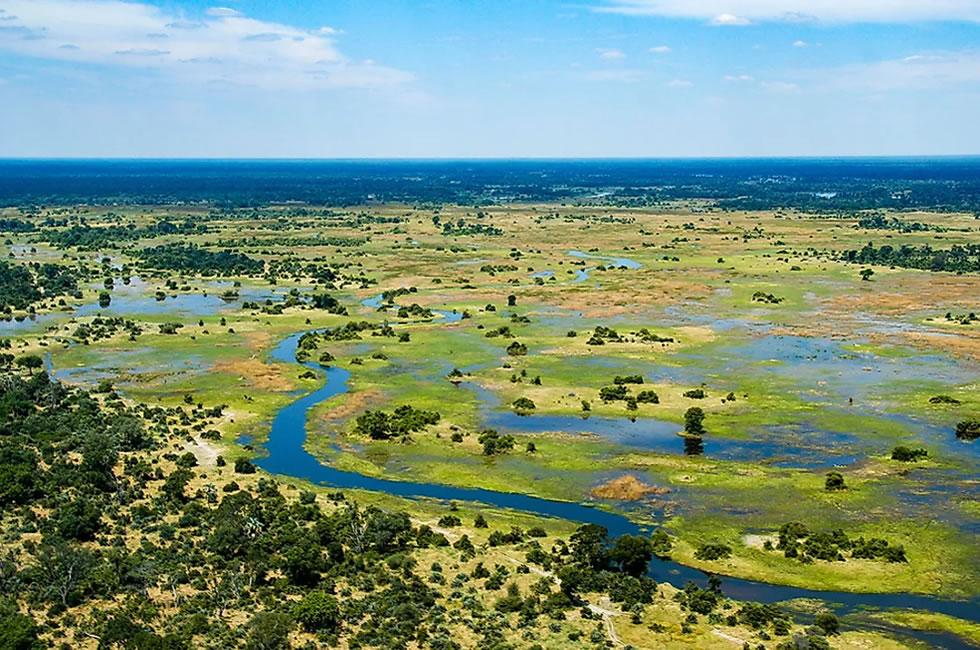
    The Okavango River passes through the main of Botswana’s Kalahari Desert, making a distinct inland water system that provides life to hundreds of birds and mammals. The Okavango is an awesome safari vacation destination since you can easily see a lot of the wild animals from a conventional canoe. Annually the delta floods covering up over sixteen thousand Km’s. The ideal season to check out wild animals is at the optimum of the flooding, in the dry season from May to October. The wildlife is substantially more concentrated on islands at this stage, so it’s consequently much easier to view them. Since the flooding recedes, fresh vegetation springs up additionally the wild animals scatters to feed. There are various holiday lodges dotted around in addition to luxurious safari camps, many provide walking safaris.

    9) Hwange National Park (Zimbabwe)

    Hwange National Park in Zimbabwe is a customized favorite of mine because of its abundance of elephants, giraffes, and lions as well as 105 other mammal species. Hwange also offers among the biggest populations of wild dogs left in Africa. There are a number comfy holiday lodges to stay at for reasonable price. The park is close to one of the world’s greatest natural wonders — the Victoria Falls.

    10) Ngorongoro Conservation Area ( Tanzania )

    The Ngorongoro Conservation area in Tanzania spans vast expanses of highland plains, savanna, savanna woodlands and forests, it contains the world’s biggest crater which acts as a natural enclosure for nearly all varieties of wildlife located in East Africa. The Masai still live within the conservation area, and it’s also residence to Olduvai where a good amount of man’s first remains have been found.

  • A Practical Guide to Gorilla Trekking in Africa

    A Practical Guide to Gorilla Trekking in Africa

    Gorilla Trekking has become one of the most popular adventures to take in Africa. This wildlife experience is rated as the most thrilling wildlife safari experiences in the world and you can check out its reviews on travel review websites like Trip Advisor. With so many travelers opting for gorilla trekking in the jungles of Uganda, Rwanda and DR Congo, here is a practical guide for beginners looking to planning this world known adventure;

    What is Gorilla Trekking?

    Gorilla Trekking is the observation of gorillas in their natural forested jungle home. This recreational life time safari experience unveils the secret beauty of rare primates in the world. You may have seen multiple primate species but that of mountain gorillas is filled with exceptional beauty  that make it one of the most loved wildlife encounter  in Africa. There is so much to enjoy on your gorilla trekking safari in Africa from the lush green jungle forest, ancient local tradition, golden monkey trek, Nyiragongo trek, nature walks, primate viewing, bird watching, cycling, hiking to the world class wonderful hilly landscape.

    Gorilla Tracking Process

    Tracking mountain gorillas starts at before sunrise which means early wake up with a healthy breakfast, packed lunch and a quick drive to the park briefing point. The sense of excitements increases as you set off into the jungle to search for the beautiful habituated primates. The hikes are rewarding so you need to be fit enough to manage.Remeber to carry enough drinking water, insect repellant and dress right in long sleeved and a rain jacket because nature can’t be predicted. The trek can last between one and half hours and six hours depending on how far you’re the gorillas could be. Once you find then enjoy a full hour of photography and observation a moment that require good cameras plus good recording device.

    Where to Track Gorillas

    Mountain Gorillas live in Uganda, Rwanda and Democratic Republic of Congo in the four national parks Mgahinga National Park, Bwindi Impenetrable National Park, Volcanoes National Park and Virunga National Park. The parks have a wide number of habituated gorillas ready for tourists each day provided one has a gate pass to the jungle-“Gorilla Permit”. However in all the three countries the gorilla trekking experience is same with a difference in gorilla permit prices and programs. Gorilla permits in Congo go for $350 per a trek , Uganda $600 and Rwanda $1500.But those who want to spend more time with gorillas can either track gorillas twice or book the gorilla habituation program that allows tourists to spend a full day in company of the wonderful apes.

    Those interested in trekking low land gorillas visit Kahuzi Biega National Park, and Odzala- National Park in Congo for the top low land gorilla trekking safari destination in Africa. Though low land gorillas can also be found in West Africa but Congo is the best.

    How to make your Trek a success

    When you follow these steps definitely your gorilla safari tour will be a success either in Uganda, Rwanda and Congo. Chose your trekking destination, followed by gorilla permits and later head out for the trek. Make sure you reserve your gorilla trekking permits a few months to the trek in order to make your trip flexible. Use the right experts and you will never regreat.Remember tracking gorillas in Africa is conserving for generations.

  • Why You Should Book your Uganda Safari Well in Advance

    Why You Should Book your Uganda Safari Well in Advance

    Also referred as the “Pearl of Africa”, Uganda is a real paradise that is endowed with fantastic attractions including more than 100 species of mammals such as the extraordinary mountain gorillas, chimpanzees, big five animals (lions, leopards, rhinoceros, elephants and buffaloes), breathtaking water bodies inform of lakes (Victoria, Bunyonyi, Kyoga, Mutanda and Katwe among others), River and waterfalls as well as birds, butterflies and Reptiles especially Nile crocodiles among others.

    It is always recommended to plan in advance when considering undertaking a safari to the Pearl of Africa. It involves booking for tickets early (which has been made easier due to advancement in internet), parking early and booking for transport as well as accommodation. You might be wondering why but these are the key reasons why it is advisable to book for Uganda safaris in advance;

    You always have different options to choose from

    If you book for a safari earlier, you will always have a number of options to choose from than someone that does last minute bookings. This is very critical especially during the peak season where advance booking prevents disappointment since you will always be able to choose what you desire. For instance, you will be able to get several budget friendly Lodges within the busy destinations such as Murchison Falls and Queen Elizabeth National Parks that are always fully booked during peak seasons and school holidays. Therefore, tourists are always advised to book for safaris at least 3-6 months in advance.

    Lowest Priced Gorilla Permits

    Since Rwanda increased its gorilla permits to a whopping $1500, Uganda has remained the most popular budget gorilla safari destination. Till 2019, gorilla permits are booked at USD 600 per person. Therefore if you are planning to take a gorilla safari in Uganda, it is imperative to book your safari well in advance.

    Gives more time for planning

    Having a vacation is undeniably the most exciting and interesting thing in anyone’s life but when you book for a safari in advance, you will have enough time to plan for whatever you need for your trip to the Pearl of Africa. With at least a month to your safari, you will be left with plenty of time to go shopping for clothes, accessories and other items needed during the safari. Not only that, you will have enough time to get or renew your travel documents such as passports, Identity Cards, Visas and Yellow Fever Vaccination Certificates.

    Saves money and time

    It is obvious that when you plan for your safari in advance, you will be able to save more time and money. If you book late, you will discover that all the budget accommodation facilities have been taken and you might end up paying more for what you need but when you book at least 3 months in advance, you can choose the cheap facilities with all the amenities you desire. Not only that, it also applies to air fares because when you plan earlier, you can be able to get the cheaper airline seats thus will be able to save more for other expenditures for the safari.

    Allows prior research

    When you book early, you will still have time to find out more about the destination you are visiting especially the extra activities to engage in during the itinerary, the popular sites such as market places, places of chilling or passing time such as the clubs, Cafes, restaurants and bars, Resorts as well as National Parks and Wildlife Reserves to explore.

    Therefore, booking in advance for your Uganda safaris not only avoids last minute disappointments but also allows enough time for research, saves more time and money, allows tourists to make right decisions from the many options and also gives more time for planning for the safari.

  • Driving in Africa: Useful Tips to Know

    Driving in Africa: Useful Tips to Know

    Are you looking to driving in Africa? A self-drive safari offers a great way to explore some of the African countries by yourself. With the increased availability of maps and travel guides including the GPS Navigator, today it is easier to explore several destinations on a self-drive in Africa. However before renting out a car from an agency, here are some things that you should know.

    • it’s better to Book well in advance

    When traveling to Africa particularly Uganda –its better you book your car rental in time to avoid being overcharged when you arrive at the airport, during low seasons some companies tend to cut-off price and during peak seasons they run out of vehicle due to very many bookings so, It is vital you book your car well in advance rather than arriving at the airport and risking higher prices, or even worse, no car at all. If this is done well you cut any extra cost that may ruin your safari.

    • Don’t get trapped into extras when you arrive

    This goes to booking in time, this last-minute booking may put you into extra charges, if you get at the airport don’t get talked into any extras that are not needed during your booking, before confirming your car hire booking its better you untick any extra you don’t need –so if this is done prior to your safari you will avoid being trapped into extras when picking your car as your tired and impatient after a long flight and check-in.

    • Comparing like for like

    Before confirming with any car hire travel agencies, you should communicate very well with the agent so as to get clear information about the car, size, and the number of doors, air conditioners, and the type of fuel. At times it’s not easy to make a perfect comparison between offers on different websites because few car hire companies guarantee the exact model you will get when you arrive at the airport. So research the full details of the contract and terms and conditions before you confirm the booking if this is done well your safari will be memorable.

    • Second driver charges

    It is very better to inform your travel agent that you will be sharing the car, although most companies ensure only one person, you may find you have to pay a heavy premium for a second driver. So in case of compensation caused by the second driver without the notice of the travel agencies you may have to pay the damages caused. So consult with your agent to clarify if a second driver is allowed to avoid extra costs.

    • Fuel

    When placing your booking, don’t accept to pay full tank in advance before your arrival, this service is often offered at the pickup desk. It’s advised to fuel it as soon as you leave the airport. Most companies offer unlimited mileage so you should be assured of it in the deal when you book, or that additional mileage charges are reasonable and will not bump up your bill too much.

    • Damage

    Ounce you receive yourself drive car make sure that you check carefully any damage on it to avoid paying uncaused damages. You should report any damage found to the travel agent and he should note them before you leave and if possible ask for a copy of the pre-existing damages and keep them and you can also take photographs of the car just in case before you start your journey.

    • Speeding Fines

    Always ask for the traffic rules and speed limits as traffic rules differ from country to country, so to avoid extra costs you must obey with the laws governing the road.

    • Pay in advance

    If you have confirmed with your car travel agency its better you pay in advance to avoid disappointment or extra charges when you arrive at the airport.

  • 5 Tips to a Fun but Inexpensive African Safari

    5 Tips to a Fun but Inexpensive African Safari

    When you sit down to plan your safari in Africa, you want a fun vacation but not an expensive one and that is where the Internet comes in handy. Many years ago booking a safari to Africa was a hustle given the limited use of internet by African tour operators. Today you can easily book a fun but inexpensive holiday with a local tour operator based in Africa.

    Here are some important hints you should know before starting your search for your next holiday.

    Use the Internet

    You can search different hotel sites, airlines sites and travel agent sites to find a cheap holiday vacation package that you can afford without going over your budget. You can plan a fun vacation to any location if you do a little searching and plan your vacation in advance. The idea of planning in advance usually offers you lower prices before the hotels and airlines book up for the holidays.

    Cheap Holiday Packages

    The first thing to do is look around at the different sites offering cheap holiday packages and compare the package deals to the individual deals. You will probably see that booking the entire vacation in one package will save you more money than if you were to purchase everything separate. You can visit sites like TripAdvisor to see what they have to offer as well as some of the other popular sites. You might even find some area hotels that you plan to travel to are offering accommodations and airfare for one low price. You can choose the type of room you need and for how many people as well connecting or direct flights.

    Book Early

    By booking early, you will also save some money on your cheap holiday package. Hotels and airlines that are sure about occupancy will try to offer lower rates in anticipation that they will fill up early and allow them to have full planes when taking off for the destination. Buy checking the different sites you can compare and see where the biggest savings will be for you. You do not need to spend a big sum of money to have a fantastic trip to your favorite cheap holiday destination.

    Special Offers

    The best way to an affordable vacation is by searching around the Internet well in advance of your trip and finding the special that are offered for that particular area. You might even find something that is so affordable you can even afford to stay a few extra days without going over your budget that you have planned for the trip.

  • Explore Volcanoes National Park of Rwanda

    Explore Volcanoes National Park of Rwanda

    In the Virunga ranges of Africa; shared by Uganda Congo and Rwanda, you will find the rare mountain gorillas. In Uganda around the Bwindi Impenetrable Natural Forest, Rwanda at the Volcanoes National Park and Albert National Park in The Belgian region of Congo. One of the favorite places for tourists is the Volcanoes National Park in the North of Rwanda (found in the small village of Musanze – the former Ruhengeri area) in her Virunga ranges habituated by 10 gorilla family groups of mountain gorillas.

    Volcanoes Natonal Park is believed to be the oldest park in Africa. Formed from the Karisimbi, Mikeno and Visoke volcanoes which were gazette for the protection of mountain gorillas that were nearing their extinction.

    Dian Fossey, who was researching on mountain gorillas in 1967, was the one behind the conservation of these endangered creatures and even established resources fighting against poaching in the then Karisoke area (Karisimbi and Visoke). Volcanoes National Park, is a home to mountain gorillas, golden monkeys, spotted hyena, buffalos, elephants, bush back, black fronted duiker as well as birds. This park is habituates about 480 mountain gorillas with more than half of the world’s population and the rest in the Bwindi area of Uganda.

    Volcanoes National Park is an easily accessed park; where apart from flying out there, you can also enjoy a two hours’ drive through the hills of Rwanda to the park headquarters of ORTPN in Kinigi. This park offers several tourism activities which include among others; gorilla trekking, hiking on the Karisimbi and Bisoke, visiting Dian Fossey site and the twin lakes of Ruhondo and Bulera.

    One to view mountain gorillas, it is necessary to buy a permit in advance prior your tour. This can be obtained from Rwanda Tourism Board. Permits currently cost $750USD a person, and are set to go up to $1000 a person in 2014.The gorilla permits allow you to spend an hour with a gorilla family group.

    Rwanda is blessed with 10 mountain gorilla families with seven available for the tourists , 8 persons per group (Susa, Sabyinyo, Amahoro, Group 13, Kwitonda, Umubano , and Hirwa from Group 13 and Sabyinyo. Normally for a gorilla visit, you are assigned to a gorilla group in line with your level of fitness and ability to take the longer gorilla treks in Volcanoes National Park.

    Each gorilla group is only exposed to eight tourists a maximum one hour each day. Therefore less than 100 people are permitted each day.

    Note: Children under 15 years of age can not go gorilla tracking.

    On the fateful day of gorilla trekking in Rwanda, tourists assemble at the Volcanoes National Park headquarters early in the morning (7:00am), here you enjoy a traditional Intore dance performance while sipping a cup of African coffee. At the headquarters you are also assigned a gorilla group and a guide, based on your fitness level. You can opt for: a short hike ranging from 30 minutes to an hour, a medium hike running between one hour to three hours, and a long hike that can even last for a day to the large Susa group. Your guide will be in contact with trackers in the park who know pretty much where each gorilla group is – so each morning they have a good idea of all the gorillas’ whereabouts.

    After mastering the briefing on these creatures, you set off into the park with your guide, for the most amazing wildlife experience of your life.

  • Explore Nyungwe Forest the Primates Haven

    Explore Nyungwe Forest the Primates Haven

    As the sun set down its covers we too set down our sand prepared for the long awaited safari in Rwanda to Nyungwe forest one of the largest remaining tracts of rainforests in Eastafrica. The surfaced winding road between Nyungwe and Kigali can be covered between 5 to 6 hours given the possibility of often getting stuck behind a slow track on steeper slopes.

    With our experienced Rwandese guide we hit the road to Nyungwe with several stops including the ethnographic museum, the king’s palace in Nyanza, a number of genocide museums among other stopovers. The lush green tea, terraced gardens in the thousand hills and valleys projected marvelous beauty at its best. However by the time the forest came in full view it was raining heavily and I was nauseated and feeling a bit dizzy from the twists and turns of the winding roads. As we closed in on the forest, along the road in the thickets of the forest, there he was the least researched – the l’hoest’s monkey.

    He is also rather shy and as soon as we spotted him and he spotted us, he dashed off in the thickness of the forest. We were very excited and couldn’t wait to take on the forest because this was just the tip of the ice bag.

    It was only a matter of time before we pulled into the parking lot of Gisakura visitor’s centre. Ehhhuuu! We couldn’t help but breathe a sigh of relief we were finally here at, the haven of primates in Rwanda and the largest afro-montane forest in Africa.

    We checked into our double room, reasonable space with the bed in the centre of the room and a relatively large open wardrobe with hangers and a solar lamp just in case of a power cut out. Just adjacent to it was the relatively small window that looked out into a small flower garden and further into the forest. The rooms are not self contained, but in our row there were five rooms sharing two bathrooms and toilets with hot and cold running water. Being a cold evening after a down pour we enjoyed a warm bath before continuing for dinner.

    We chose to have dinner at Nyungwe forest lodge located a few meters away from the gisakura. The luxurious state of the art beauty stands harmoniously among the gisakura tea estates and the Nyungwe forest. The spacious well decorated lounge is an addition to the warm and friendly staff that were waiting to serve us. I must say they are the friendliest staff I met during my stay in Rwanda with an exception of our guide Paul Tamwenya Meals here are served in different places to start with the dining area, a wooden fenced area with open fire, perfect for outdoor dining and sundowners, the cozy restaurant with fire places spread out is an equal beauty for those who love indoor coziness, a tea lounge and a bar are the other places one could enjoy a meal. We chose the cozy indoor diningarea with a spot close to the fire place being a cold evening. We were served hot and magnificent pumpkin soup for a starter (the best pumpkin soup I’ve ever had so far) and for dinner we had pork chops and mashed potatoes and finished with a chocolate gateau. The meals were superb!

    After an amazing dinner we enjoyed a hot cup of coffee in the tea lounge with a number of games to pass time and slowly breathed in the cool night air at the terraced as the eyes feasted on the beautiful night views of the lodge before retiring back for the night.

    Early morning we were awakened with the song of the cape robin chat that lingered in the air alongside others. We took breakfast and headed out to the Uwinka Park headquarters a 30 mins drive from gisakura. We booked for our day’s activity before receiving a briefing from the park authorities about the do and don’ts of the forest, the condition of the forest among other things.

    The trail covers 2.1kms and could take anything around one and half hours.

    It is also called the Igishigishigi trail, after the majestic giant tree ferns that are numerous in this area. Through the entire walk we spotted about various birds and I would recommend the trail for birders. We also encountered the l’hoest’s monkey and the grey cheeked mangebeys as the wild flowers graced our path. At the bridge that hangs 57m above the ground, we enjoyed spectacular views of the Uwinka ridge and valley, as well as the forest canopy.

    Although we didn’t get to take part in the other activities and walk on other trails there are still many other trails in this forest that provide different views. These include:

    • Buhoro trail (exceptional views, big trees, good birding and pretty wildflowers)
    • Umuyove trail (waterfalls, birds, flowers and massive trees)
    • Karamba trail (the best bird walk & fairly easy)
    • Kamiranzovu marsh (orchids and wetland birds)
    • Ngabe trail for primates (L’hoest, silver and colobus monkeys)
    • Cyamudongo&Uwinka (chimps).

    Once you choose Africa and take a Rwanda safari you will have it all!! We wish you a fun-filled memorable safari through the land of a thousand hills!

  • South Luangwa National Park: Experience Wild Pleasures

    South Luangwa National Park: Experience Wild Pleasures

    Visit Zambia and enjoy the pleasures at the South Luangwa National park and enjoy the safari delights here in this part of the world. The wildlife inhabitation here fills your tours with the kind of adventure that you would have longed for. As the wildlife provides you ultimate delights on the banks of the River Luangwa, this one of the highest in Africa and provides ultimate delights in this part of Southern Africa. With pods of hippos, and many lions, elephant, leopard and the African wild dogs along with the giraffe and zebras this is one of the best places to get wildlife sights. With the kind of variety of avifauna species that are found here, the south Luangwa national park is a lovely place to be in and also should not be missed when you are going on a tour to South Africa.

    South Luangwa National park is a lovely destination in this part of the world which provides you with the best kind of tour delights and travel destinations. The River Luangwa runs through the centre of this beautiful park spanning over 3475 square miles. The River has made its own trail in the entire valley and it creates a beautiful escarpment and leaves a lot of ox bows and lagoons which are filled with hippo and fish.

    South Luangwa is very popular for the many hippos which form a mainstay of wildlife here. Then of course you have the Cookson’s wildebeest which is very special to the valley of Luangwa. The African Wild Dog is also found here in the beautiful surroundings of Luangwa Valley.

    Once upon a time the Luangwa Valley was filled with fascinating sights of the elephants but then poachers made life difficult for the elephants and their numbers started receeding. The rhino was very sadly enough poached so much that it got extinct.

    A birder’s haven, there are more than 400 birds here and these have been recorded with a lot of interest and care. Safari tours Southern Africa include the birds in view and also the warthog and the zebra apart from others.

    Luangwa Valley is popular for the walking safari which is filled with many ways to experience wildlife experiences. It is home to some of the best safari guides and if you get a good guide you would surely cherish your visits to this beautiful land in Southern

    Africa. Walking safaris are not permitted for children below the age of 12. these are given at every lodge and camp in the South Luangwa and these are the major attractions in tours to this part of Africa.

    There are also traditional game drives which provide with the best of wildlife experiences and these offer you the best and the most promising travel memories ever.
    Birding safaris are another popular activity here and give you a lot of time to enjoy. The best time to come here is during the months of November to February. This is the time the birds mingle with the rest of the migrating birds .There are Carr safaris which provide good itinerary and bird sights.
    The South Luangwa Valley also has provisions of a green season when the River Luangwa gets filled and when there are lovely boat trips possible too. There are groves of ebony trees here and there are also excellent opportunities to see these lovely fascinating birds.

    South Luangwa National park is open all the year around and looks most beautiful in the green season. One needs at least three nights in South Luangwa. If you can sty for a week the better. the remote surroundings and the lovely ambience, the beautiful haven and the mighty landscape and fascinating terrain all enthrall you totally and you would go back with an enchanting travel kitty.
    Visit South Luangwa National Park and bask in the delights of an interesting wildlife destination in this part of the world.